Understanding the psychological effects of gambling in casino environments
The Allure of Casino Environments
The design and ambiance of casino environments play a crucial role in attracting players and enhancing their gambling experience. Bright lights, vibrant colors, and engaging sounds create an exciting atmosphere that stimulates the senses. These elements are strategically used to invoke feelings of euphoria and anticipation, often leading individuals to lose track of time. Such an immersive environment encourages players to stay longer, fostering both engagement and, unfortunately, potential addiction. Many players are drawn to the offerings of sites like lizaro uk for their extensive game selections.
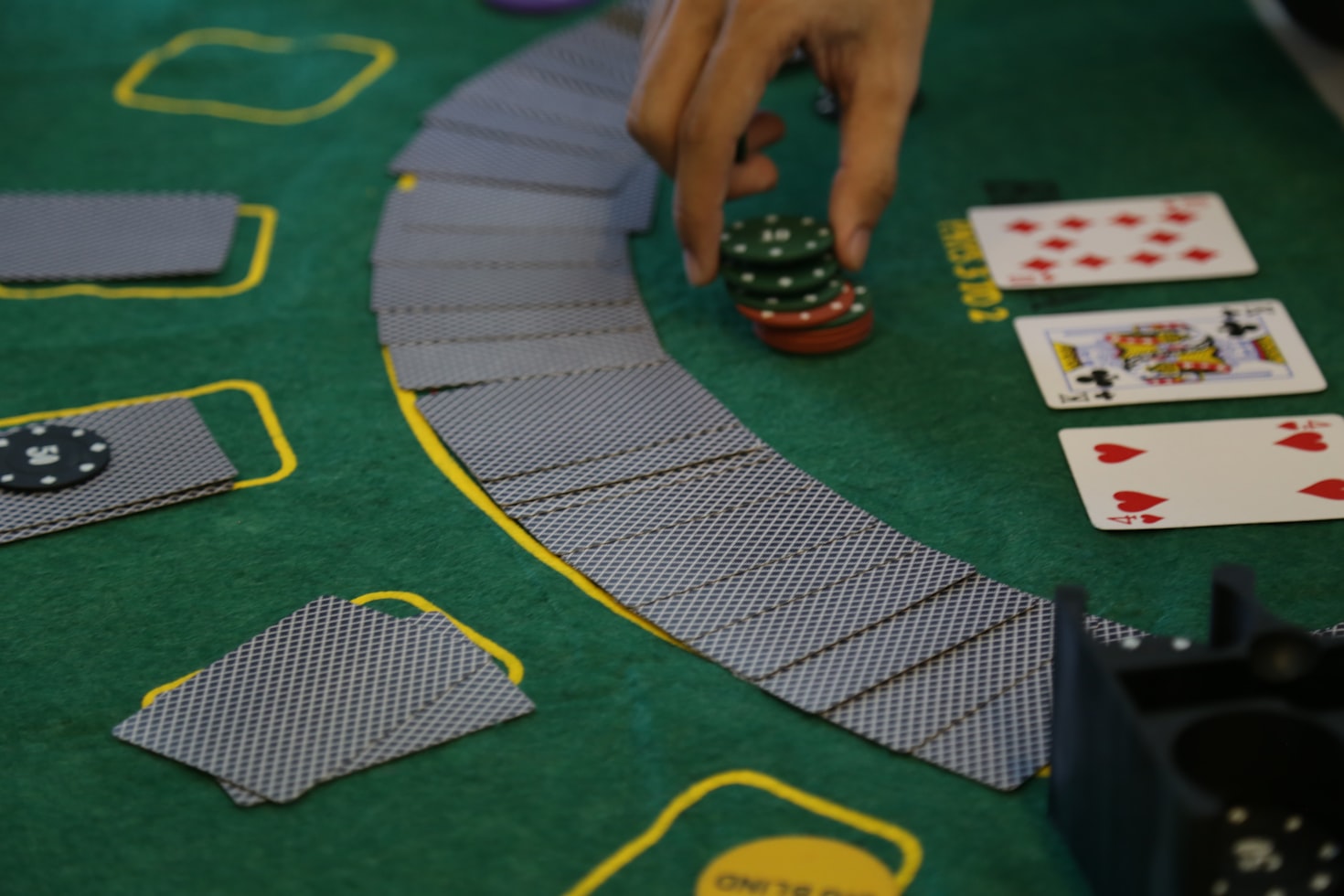
Moreover, casinos often use the concept of “near misses,” where players come close to winning but do not actually win. This technique taps into the psychology of hope and encourages continued play, as players feel they are on the brink of a big win. The emotional highs experienced during such moments can lead to impulsive decision-making, resulting in prolonged gambling sessions that individuals might not have initially planned.
The social aspect of casinos cannot be overlooked either. Many players enjoy the communal experience of gambling alongside others, which can reinforce the behavior. Whether it’s the cheers from nearby winners or shared conversations over a table game, the social interactions can amplify the excitement, making it challenging for individuals to walk away, even when they recognize potential negative consequences.
The Role of Emotions in Gambling
Emotions are a significant driving force behind gambling behavior. Winning can elicit feelings of joy, confidence, and even empowerment, while losses may lead to frustration, anxiety, and a desire to chase those losses. This emotional rollercoaster can create a cycle where the thrill of winning motivates continued play, while the pain of losing fuels an urge to gamble more in hopes of regaining lost money.
In many cases, individuals may turn to gambling as a way to cope with stress or emotional distress. The temporary escape that gambling provides can be alluring, leading people to use it as a means of alleviating life’s pressures. However, this coping mechanism can quickly spiral into problematic gambling behaviors as individuals find themselves increasingly reliant on gambling to manage their emotions.
The unpredictability of gambling outcomes also plays into this emotional landscape. Players often experience a mix of hope and despair, with each spin of the slot machine or roll of the dice contributing to their emotional state. Such volatility can lead to heightened emotional responses, as wins create excitement and losses elicit despair. Understanding this emotional connection is crucial for individuals seeking to grasp the psychological effects of gambling.
Cognitive Biases and Gambling Behavior
Cognitive biases, such as the illusion of control and gambler’s fallacy, significantly influence gambling behavior. The illusion of control occurs when players believe they can affect the outcome of games that are, in reality, based on chance. For instance, a player may think that wearing a lucky shirt or employing a specific betting strategy will influence the game’s results, leading to continued gambling despite a lack of evidence supporting such beliefs.
Gambler’s fallacy is another cognitive bias where individuals believe that previous outcomes affect future results. For example, if a slot machine has not paid out in a while, a player may feel that a win is due, prompting them to keep playing. This misunderstanding of probability often leads to extended gambling sessions and increased financial losses, as players chase the idea of a “due” win.
These cognitive biases can create a false sense of security, making it difficult for players to recognize when they are engaging in harmful gambling behaviors. When individuals are caught in this mindset, they may overlook warning signs of addiction, leading to more severe consequences in their personal and financial lives. Understanding these biases is vital in addressing the psychological effects of gambling.
The Impact of Environment on Decision-Making
The physical layout and design of casinos play a significant role in shaping decision-making processes for gamblers. Many casinos are intentionally designed to create a labyrinthine experience, where players find it challenging to navigate their way out. This physical disorientation can lead to extended gambling sessions, as players lose track of time and may feel compelled to continue playing.
Furthermore, the placement of games and machines is often strategic. High-stakes games may be located in areas with high foot traffic to attract more players, while slot machines are designed to be visually appealing and accessible. These design choices can lead players to make impulsive decisions, frequently opting for games that they might not have chosen in a more rational state of mind.
The absence of clocks and windows in many casinos also contributes to this effect. Without external cues of time passing, players can become engrossed in the environment, often forgetting their original intentions. This manipulation of the environment can significantly alter decision-making, leading to prolonged gambling sessions that can have detrimental consequences.
Exploring Responsible Gambling and Awareness
In light of the psychological effects of gambling in casino environments, promoting responsible gambling is essential. Education about the potential risks associated with gambling can help individuals recognize harmful behaviors and develop healthier approaches to gaming. Many organizations emphasize the importance of setting limits on time and spending before engaging in gambling activities, which can help mitigate adverse outcomes.
Creating awareness about the signs of gambling addiction is another critical component of responsible gambling initiatives. Individuals must understand when gambling becomes problematic, recognizing signs such as preoccupation with gambling, unsuccessful attempts to cut back, and using gambling as an escape. Providing access to resources and support can empower individuals to seek help when needed, ultimately promoting healthier gambling habits.
Furthermore, casinos can play a role in fostering responsible gambling by implementing measures such as self-exclusion programs and offering support resources on-site. By creating an environment that prioritizes the well-being of players, casinos can contribute to a more responsible gambling culture, minimizing the psychological impacts associated with excessive gambling.

Conclusion: The Responsible Approach to Online Gaming
As online gaming platforms like Lizaro Casino continue to thrive, understanding the psychological effects of gambling becomes increasingly important. With a vast selection of games available, players must remain aware of the potential emotional and cognitive pitfalls that come with gambling. By recognizing the psychological factors that contribute to gambling behavior, players can make more informed decisions and engage in gaming responsibly.
At Lizaro Casino, the commitment to player safety is paramount. By providing access to responsible gambling tools, as well as clear information on the risks associated with gambling, players can enjoy their gaming experience while remaining mindful of their well-being. Ultimately, the goal is to foster a gaming community where enjoyment and responsibility go hand in hand, ensuring a positive experience for all players.